
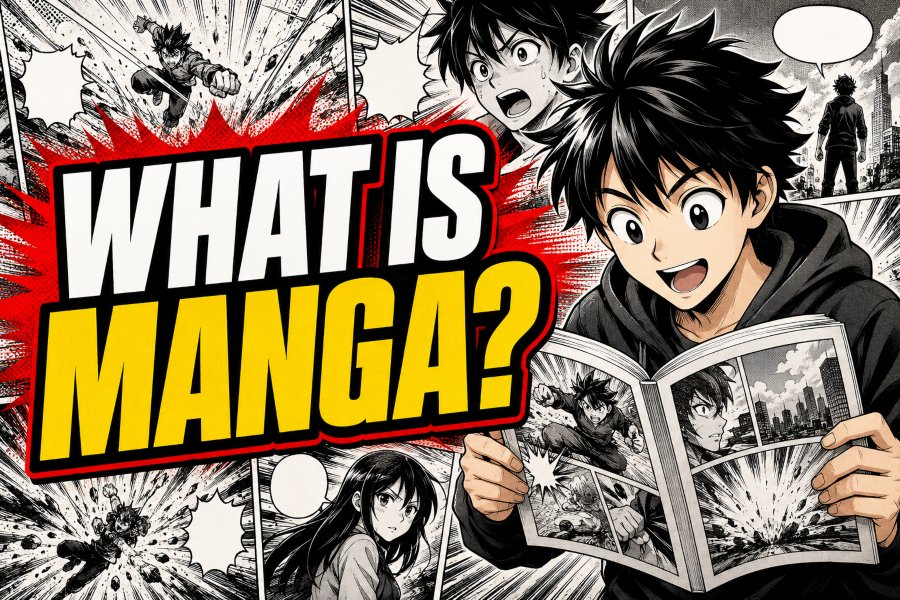
Manga has become one of the most influential forms of storytelling in the world. From action-packed adventures to emotional dramas, Japanese comics have attracted millions of readers across different countries and age groups. But what is manga exactly?
Manga refers to Japanese comics and graphic novels that combine illustrations and storytelling to create unique reading experiences. Although manga originated in Japan, its popularity has expanded globally through translations, anime adaptations, digital platforms, and fan communities.
Unlike many Western comics, manga is usually published in black and white and is traditionally read from right to left. It covers a wide variety of themes, including fantasy, romance, horror, science fiction, sports, comedy, and everyday life.
One of the biggest reasons behind manga’s success is its ability to tell stories for everyone. There are manga series designed for children, teenagers, adults, and specific interests. This makes manga much more than entertainment; it is a cultural art form that reflects Japanese creativity, emotions, and imagination.
This guide explains the meaning of manga, its history, major categories, differences from anime, and how beginners can start exploring this fascinating world.
What Is Manga?
Manga is a type of Japanese comic book or graphic novel that uses artwork and written storytelling to create engaging narratives. The word refers to comics created in Japan and covers many genres, including action, romance, fantasy, horror, and drama. Manga is usually read from right to left and is often published in black and white. Many popular anime series, such as Naruto and One Piece, are based on manga. Because of its unique art style and diverse stories, manga has become popular worldwide.
What Is Manga and How Did Japanese Comics Evolve?
Manga is a Japanese storytelling format that combines visual art with written narratives. The term “manga” comes from Japanese words that are often translated as “whimsical pictures” or “random drawings.” In Japan, the word manga can refer broadly to comics, cartoons, and illustrated stories.
The roots of manga can be traced back hundreds of years to Japanese artwork and illustrated scrolls. Early examples of visual storytelling appeared during Japan’s historical periods, where artists used drawings to represent humor, daily life, and social observations.
Modern manga began developing during the 20th century. After World War II, Japanese creators experimented with new storytelling techniques influenced by both traditional Japanese art and Western comics. One of the most important figures in manga history was Osamu Tezuka, often called the “father of modern manga.” His works introduced cinematic panel layouts, detailed character development, and emotional storytelling.
Over time, manga expanded into countless genres and became a major part of Japanese entertainment. Popular series were published through manga magazines before being collected into book volumes called tankōbon.
Today, manga is available worldwide through physical books and digital platforms. Its influence can be seen in anime, movies, video games, and modern illustration styles.
How Is Manga Different From Anime and Western Comics?
Manga, anime, and Western comics are often connected, but they represent different forms of storytelling.
Manga vs Anime
The biggest difference between manga and anime is the format.
- Manga refers to Japanese comics and graphic novels.
- Anime refers to Japanese animated productions.
Many successful anime shows are adaptations of manga series. For example, popular anime such as Naruto, Attack on Titan, and Demon Slayer were originally created as manga before becoming animated shows.
Manga allows readers to experience the original artwork and pacing created by the author, while anime adds movement, voice acting, music, and animation.
Manga vs Western Comics
Manga differs from many American and European comics in several ways:
- Manga is usually printed in black and white.
- Manga is traditionally read from right to left.
- Manga often focuses heavily on character development and long storytelling.
- Western comics are commonly released in full color.
- Western comics often follow shorter story arcs.
Both styles offer unique experiences, but manga is recognized for its detailed artwork and emotional storytelling approach.
What Are the Different Types of Manga Genres?
One reason manga has become popular worldwide is its variety. Unlike the idea that comics are only for children, manga includes stories created for different ages and interests.
Shonen Manga
Shonen manga is mainly targeted toward teenage boys, although readers of all genders enjoy these stories.
Common themes include:
- Action
- Adventure
- Friendship
- Competition
- Personal growth
Popular examples include:
- Naruto
- One Piece
- Dragon Ball
- My Hero Academia
Shonen stories often feature characters who overcome challenges through determination and teamwork.
Shojo Manga
Shojo manga is mainly created for teenage girls and often focuses on emotions, relationships, and personal development.
Common themes include:
- Romance
- Friendship
- Drama
- Self-discovery
Popular examples include:
- Sailor Moon
- Fruits Basket
- Cardcaptor Sakura
Seinen Manga
Seinen manga targets adult male audiences and often explores more mature themes.
These stories may include:
- Psychological drama
- Violence
- Complex characters
- Social issues
Examples include:
- Berserk
- Monster
- Akira
Josei Manga
Josei manga is designed for adult women and often focuses on realistic relationships, careers, and emotional experiences.
Kodomomuke Manga
Kodomomuke manga is created for children. These stories usually include simple plots, humor, and positive lessons.
Examples include:
- Pokémon
- Doraemon
- Crayon Shin-chan
Why Has Manga Become Popular Around the World?
The global success of manga comes from its ability to connect with readers emotionally.
Diverse Storytelling
Manga offers stories for almost every interest. Readers can explore fantasy worlds, romantic relationships, sports competitions, historical events, and futuristic technology.
Strong Character Development
Many manga series spend significant time developing characters. Readers follow their struggles, achievements, and personal growth over many chapters.
Influence of Anime
Anime adaptations have introduced millions of people to manga. When viewers enjoy an anime series, many become interested in reading the original manga.
Digital Accessibility
Online platforms have made manga easier to access internationally. Readers can now purchase digital editions and explore thousands of titles from anywhere.
Because of these advantages, manga has transformed from a Japanese comic format into a worldwide entertainment industry.
How Can Beginners Start Reading Manga?
For new readers, manga can feel different because of its reading style and large number of available series.
Start With Your Favorite Genre
Choosing a familiar genre makes the experience easier. For example:
- Fantasy fans can try adventure manga.
- Romance readers can explore shojo or josei manga.
- Action fans can begin with shonen titles.
Learn the Reading Direction
Most manga is read from right to left. Start with the top-right panel and move across the page before continuing downward.
Try Popular Beginner-Friendly Series
Some widely recommended manga for beginners include:
- One Piece
- Naruto
- Demon Slayer
- Fullmetal Alchemist
- Attack on Titan
Explore Different Categories
After reading a few series, try different genres. Manga has thousands of stories, so exploring new styles can help readers discover new favorites.
How to Become a Manga Artist?
Creating manga requires both artistic ability and storytelling skills. A manga artist, known as a “mangaka” in Japan, must understand character design, visual storytelling, and creative writing.
Important skills include:
- Drawing characters and backgrounds
- Creating engaging stories
- Designing expressive emotions
- Understanding panel layouts
- Developing unique art styles
Aspiring manga artists usually practice drawing regularly, study existing manga, and build portfolios of their work.
Many creators also learn digital illustration tools because modern manga production increasingly uses technology alongside traditional drawing methods.
Creativity, patience, and continuous improvement are essential for anyone who wants to become a successful manga creator.
Conclusion
Understanding what manga is means discovering a unique storytelling medium that combines artwork, emotion, and imagination. Manga is not simply a comic format; it is a global cultural phenomenon that connects millions of readers.
With countless genres, unforgettable characters, and creative storytelling methods, manga offers something for almost everyone. Whether you enjoy action, romance, fantasy, or realistic drama, there is likely a manga series that matches your interests.
As manga continues expanding through digital platforms and anime adaptations, its influence on global entertainment will continue to grow.
FAQ’s
What is manga in simple words?
Manga is a Japanese comic or graphic novel that tells stories through illustrations and written dialogue.
Is manga the same as anime?
No. Manga is a comic format, while anime refers to Japanese animation. Many anime series are adapted from manga.
Why is manga read from right to left?
Manga follows traditional Japanese reading direction, which moves from right to left instead of the Western left-to-right format.
Is manga only for children?
No. Manga includes stories for children, teenagers, and adults, with genres covering many different themes.
What are the most popular manga genres?
Popular manga genres include action, fantasy, romance, horror, sports, science fiction, and slice-of-life stories.
Can anyone create manga?
Yes. Anyone can learn manga creation with practice, drawing skills, storytelling knowledge, and dedication.

Join the discussion
0 responsesNo comments yet. Share your experience or ask a question below.