

The way people read comics has changed dramatically with the rise of smartphones and digital platforms. While traditional comics were mainly published as physical books, modern readers now enjoy stories through mobile-friendly formats. This transformation introduced a new type of digital comic called a webtoon.
So, what is a webtoon? A webtoon is an online comic designed specifically for digital reading, usually through smartphones, tablets, or computers. Unlike traditional comics that require turning pages, webtoons use a vertical scrolling format that allows readers to move smoothly through each episode.
Webtoons originally became popular in South Korea, where creators experimented with new ways to publish comics online. Over time, this format expanded globally and attracted millions of readers through platforms dedicated to digital storytelling.
One of the biggest reasons behind webtoon success is accessibility. Readers can instantly access thousands of stories without purchasing physical copies. Artists also benefit because digital platforms allow them to publish stories more easily and connect directly with audiences.
Today, webtoons include almost every genre, from romance and fantasy to horror, action, comedy, and science fiction. Many successful webtoons have also been adapted into television dramas, animated series, and movies.
What Is a Webtoon?
A webtoon is a digital comic created for online platforms and designed for vertical scrolling on mobile devices. Unlike traditional comics, webtoons are usually released in episodes and use full-color artwork optimized for smartphones. They originated in South Korea and became popular because they are easy to read, accessible worldwide, and cover many genres such as romance, fantasy, action, and horror.
What Is a Webtoon and How Did It Start?
A webtoon is a combination of the words “web” and “cartoon,” referring to comics created specifically for internet platforms. Although digital comics existed before webtoons, the webtoon format introduced a completely different reading experience.
Traditional online comics often copied the design of printed comics. Readers had to swipe horizontally or zoom in to view pages properly. Webtoons changed this by creating a vertical layout that matched the way people use smartphones.
The Beginning of Webtoons in South Korea
Webtoons first appeared in South Korea during the early 2000s when internet usage was growing rapidly. Online portals began publishing digital comics to attract users and provide new entertainment options.
Instead of depending only on publishers and magazines, independent artists could upload their own work online. This gave new creators opportunities to reach large audiences.
As smartphones became more common, webtoons became even more successful. The vertical scrolling format perfectly matched mobile reading habits, allowing people to enjoy comics anytime and anywhere.
The Growth of Digital Comic Platforms
Platforms dedicated to webtoons helped transform the industry. They provided spaces where creators could publish stories, build fan communities, and even earn income from their work.
This digital approach made comics more accessible and encouraged more artists to experiment with new storytelling styles.
How Does a Webtoon Work Compared to Traditional Comics?
The biggest difference between webtoons and traditional comics is the reading experience. Webtoons are created for screens rather than printed pages.
Vertical Scrolling Design
Webtoons are designed as long vertical strips instead of separate pages. Readers simply scroll down to continue the story.
This format gives creators more control over:
- Story pacing
- Emotional moments
- Suspense
- Character reveals
- Action sequences
Artists can create dramatic pauses by adding extra space between panels or revealing important scenes after a long scroll.
Full-Color Digital Artwork
Most webtoons use colorful digital illustrations. This makes them visually different from many traditional comics that are often printed in black and white.
Color helps creators highlight:
- Character emotions
- Fantasy environments
- Important story moments
- Action effects
The digital format also allows artists to easily edit, update, and improve their artwork.
Episode-Based Publishing
Instead of releasing complete books, webtoons are usually published episode by episode. Many creators release new chapters weekly, encouraging readers to return regularly.
This model creates a stronger connection between creators and audiences.
Why Are Webtoons Becoming Popular Worldwide?
The popularity of webtoons has grown far beyond South Korea. Readers around the world now enjoy digital comics because they fit modern entertainment habits.
Easy Access Through Smartphones
One of the biggest advantages of webtoons is convenience. Readers do not need physical copies or special equipment. They can open an app and start reading instantly.
This accessibility has helped webtoons attract younger audiences who spend more time consuming content on mobile devices.
Wide Variety of Genres
Another reason for webtoon popularity is the diversity of available stories.
Popular webtoon categories include:
- Romance and drama
- Fantasy adventures
- Horror and mystery
- Comedy
- Action and martial arts
- Science fiction
- Slice-of-life stories
Because of this variety, almost every type of reader can find something interesting.
Adaptations Into Other Media
Many successful webtoons have expanded into other entertainment formats.
Popular adaptations include:
- Television dramas
- Animated series
- Movies
- Video games
- Novels
These adaptations introduce webtoon stories to audiences who may not normally read comics.
What Makes Webtoons Different From Manga and Webcomics?
Although webtoons, manga, and webcomics are all forms of illustrated storytelling, they have important differences.
Webtoon vs Manga
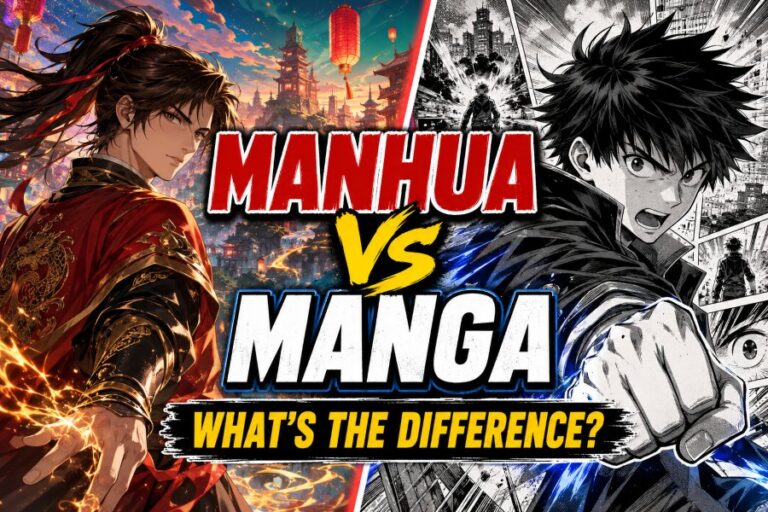
Manga is a Japanese comic format traditionally published in books and magazines. It is usually read from right to left and often uses black-and-white artwork.
Webtoons are generally:
- Created for digital platforms
- Read vertically
- Published in color
- Optimized for smartphones
Both formats have unique storytelling strengths. Manga focuses heavily on traditional panel layouts, while webtoons take advantage of digital features.
Webtoon vs Webcomic
Webcomics are any comics published online. However, many webcomics were originally designed like printed comics.
Webtoons are specifically created for digital reading with:
- Vertical scrolling
- Mobile-friendly layouts
- Episode releases
- Digital-first artwork
This makes webtoons a specialized type of webcomic.
How Do Creators Make and Publish Webtoons?
Modern technology has made creating webtoons easier than traditional comics.
Artists can use digital drawing tools to create, edit, and color their stories. Mistakes can be corrected quickly, and creators can experiment with different visual styles.
Self-Publishing Opportunities
Before digital platforms became popular, comic creators often needed approval from publishers. Today, artists can upload their work online and build an audience independently.
Social media also helps creators promote their stories and communicate with fans.
Creative Storytelling Features
Webtoons continue to evolve with new features, including:
- Animated effects
- Sound effects
- Background music
- Interactive elements
These additions create a more immersive reading experience.
Conclusion: The Future of Digital Comics
Understanding what a webtoon is shows how technology has transformed the comic industry. Webtoons combine traditional storytelling with digital innovation, creating a format that matches modern reading habits.
Their mobile-friendly design, colorful artwork, wide range of genres, and easy accessibility have helped them become a global entertainment trend.
As smartphones and digital platforms continue to grow, webtoons will likely become an even more important part of the future of comics and storytelling.
FAQ’s
What is a webtoon?
A webtoon is a digital comic designed for online reading, usually using a vertical scrolling format optimized for smartphones.
Are webtoons free to read?
Many webtoons are available for free, while some platforms offer premium episodes or paid chapters.
Where did webtoons originate?
Webtoons originated in South Korea during the early 2000s as online digital comics.
What is the difference between a webtoon and manga?
Webtoons are digital, vertical-scrolling comics, while manga is traditionally published in books and read from right to left.
Can webtoons become movies or shows?
Yes. Many popular webtoons have been adapted into dramas, animated series, and movies.
Why are webtoons popular?
Webtoons are popular because they are easy to access, mobile-friendly, visually attractive, and available in many different genres.

Join the discussion
0 responsesNo comments yet. Share your experience or ask a question below.