
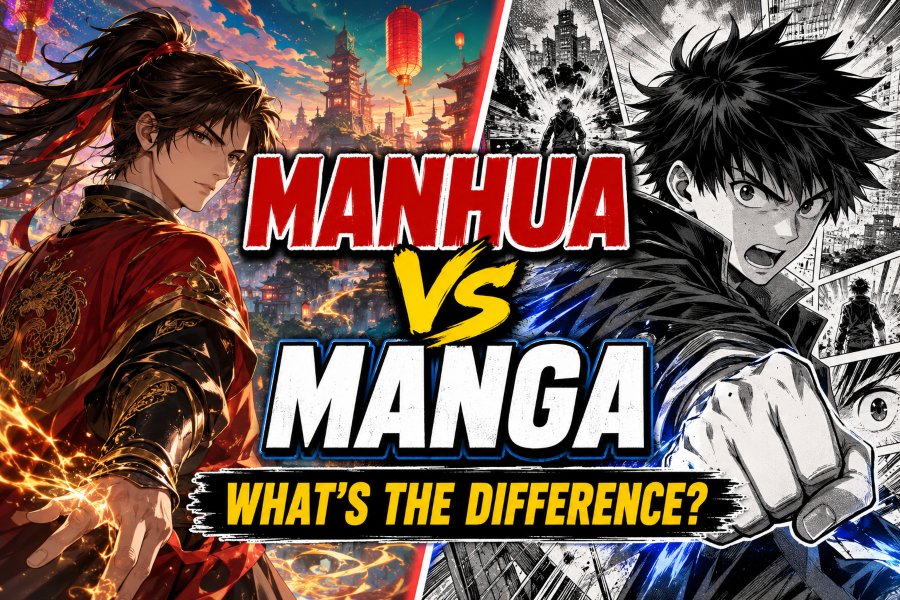
Asian comics have gained worldwide popularity because of their unique artwork, creative storytelling, and cultural influences. Among the most popular forms are manga from Japan and manhua from China. While both styles share similarities, they have different origins, artistic approaches, themes, and publishing traditions.
Many readers often ask, what is the difference between manhua and manga? The simplest answer is that manga refers to Japanese comics, while manhua refers to Chinese comics created in mainland China, Taiwan, and Hong Kong. However, the differences go much deeper than their countries of origin.
Manga has become a global phenomenon through famous series, anime adaptations, and decades of publishing history. Manhua, while less internationally recognized, has developed its own identity through Chinese culture, mythology, martial arts themes, and modern digital platforms.
Understanding these differences helps readers explore both styles and appreciate the unique storytelling traditions behind each comic format.
The World of Manga and Japan’s Unique Comic Tradition
Manga is the Japanese term for comics and graphic novels. It covers a wide range of stories, including action, romance, fantasy, horror, science fiction, comedy, and everyday life.
Although Japanese illustrated storytelling dates back centuries, modern manga developed significantly after World War II. Artists introduced new storytelling methods, cinematic panel layouts, and expressive characters that shaped the manga industry.
One of the most influential creators was Osamu Tezuka, often called the “Father of Manga.” His work helped establish the visual style and storytelling techniques that many manga creators still use today.
Manga is traditionally published in black and white. Chapters are often released through magazines before being collected into complete volumes called tankōbon. Unlike Western comics, manga is usually read from right to left.
Some popular manga examples include:
- One Piece
- Naruto
- Dragon Ball
- Demon Slayer
- Attack on Titan
Manga’s biggest strength is its incredible variety. Readers can find stories designed for children, teenagers, and adults, covering almost every possible genre.
The World of Manhua and China’s Unique Comic Tradition
Manhua refers to comics created in China, Taiwan, and Hong Kong. Similar to manga, it uses illustrations and sequential storytelling to communicate stories, emotions, and ideas.
The word “manhua” comes from Chinese and means “impromptu drawings.” Although the term originally described various forms of Chinese artwork, it later became associated with Chinese comics.
Manhua has strong connections to Chinese history, mythology, and traditional art. Many stories include themes inspired by martial arts, ancient kingdoms, fantasy worlds, and supernatural abilities.
Popular manhua genres include:
- Wuxia (martial arts heroes)
- Xianxia (immortal fantasy stories)
- Historical adventures
- Romance
- Action fantasy
Unlike traditional manga, many modern manhua are published digitally and use full-color artwork. Online platforms have helped Chinese comics reach more international readers.
Popular manhua examples include:
- Feng Shen Ji
- Soul Land
- The Ravages of Time
- Chinese Hero: Tales of the Blood Sword
What Is the Difference Between Manhua and Manga in Origin and History?
The biggest difference between manhua and manga is their cultural origin.
Manga developed in Japan and became a major part of Japanese entertainment and publishing. After World War II, manga experienced rapid growth and eventually became a global industry.
Japanese creators developed unique storytelling methods that focused on character emotions, personal growth, and detailed world-building.
Manhua developed through Chinese artistic traditions and historical influences. Chinese comics often reflected social issues, cultural values, and traditional storytelling styles.
While both formats were influenced by East Asian art, they evolved separately:
Manga:
- Originates from Japan
- Strong connection with Japanese pop culture
- Influenced anime and global entertainment
- Uses many different genres and demographics
Manhua:
- Originates from China, Taiwan, and Hong Kong
- Often influenced by Chinese mythology and history
- Commonly features martial arts and fantasy themes
- Has grown through digital platforms
So, when asking what is the difference between manhua and manga, the first major distinction is the culture and history behind each medium.
How Do Manhua and Manga Differ in Art Style?
Artwork is another important difference between manga and manhua.
Manga Art Style
Traditional manga is usually:
- Black and white
- Highly detailed
- Expressive
- Focused on emotions and character development
Manga artists often use visual techniques such as dramatic shadows, motion effects, and detailed backgrounds to create strong emotional impact.
Although manga is usually black and white, many artists create extremely detailed scenes that feel dynamic and cinematic.
Manhua Art Style
Manhua is often recognized for:
- Full-color artwork
- Realistic character designs
- Detailed environments
- Chinese cultural influences
Many manhua series use vibrant colors and beautiful landscapes inspired by traditional Chinese painting.
Fantasy and cultivation stories often feature impressive costumes, magical effects, and historical settings.
The difference is not that one style is better than the other. Manga often focuses on emotional storytelling and visual pacing, while manhua frequently highlights color, atmosphere, and cultural aesthetics.
How Are Manga and Manhua Read Differently?
Reading format is another way to understand the difference between manhua and manga.
Manga Reading Format
Traditional manga is read:
- From right to left
- From top to bottom
- In printed volumes or digital pages
This format may feel unfamiliar to new readers because it is opposite to Western comics.
Manga chapters are often released weekly or monthly before being collected into larger books.
Manhua Reading Format
Manhua reading direction depends on the region.
Some traditional manhua may be:
- Read from left to right
- Read from right to left
Modern digital manhua often uses vertical scrolling, similar to webtoons.
Because smartphones have changed how people consume comics, many modern manhua series are designed for mobile readers.
What Are the Main Storytelling Differences Between Manhua and Manga?
Manga and manhua both tell complex stories, but their common themes often differ.
Manga Storytelling
Manga frequently focuses on:
- Character development
- Emotional journeys
- Friendship
- Personal challenges
- Long-term storytelling
Many manga series follow characters as they grow, overcome obstacles, and build relationships.
Manhua Storytelling
Manhua often emphasizes:
- Martial arts
- Cultivation systems
- Mythology
- Powerful heroes
- Fantasy adventures
Chinese cultural concepts frequently influence manhua stories, especially in historical and supernatural genres.
For example, cultivation stories often feature characters training their abilities over time to achieve higher levels of power.
Which One Should You Read: Manhua or Manga?
The answer depends on your personal interests.
Choose manga if you enjoy:
- Wide genre selection
- Deep character development
- Traditional comic storytelling
- Famous long-running series
Choose manhua if you enjoy:
- Chinese mythology
- Martial arts adventures
- Colorful artwork
- Fantasy worlds
Both formats provide unique experiences. Manga offers decades of global popularity and storytelling variety, while manhua provides fresh perspectives influenced by Chinese culture.
Final Remarks
The answer to what is the difference between manhua and manga comes down to their origins, artistic styles, storytelling traditions, and cultural influences.
Manga represents Japanese comic culture with its black-and-white artwork, diverse genres, and character-focused storytelling. Manhua represents Chinese comic culture with colorful visuals, mythology-inspired themes, and unique storytelling approaches.
Neither format is better than the other. Both offer exciting worlds, creative artwork, and memorable stories for readers around the globe.
Exploring both manga and manhua allows readers to experience the diversity of Asian comics and discover new storytelling styles.
FAQ’s
What is the main difference between manhua and manga?
The main difference is their origin. Manga comes from Japan, while manhua comes from China, Taiwan, and Hong Kong. They also differ in art style, themes, and publishing formats.
Is manhua the same as manga?
No. Although they share similar names and comic formats, manhua and manga are separate forms of comics from different cultures.
Is manga more popular than manhua?
Yes, manga currently has a larger global audience because of anime adaptations and decades of international publishing. However, manhua continues to grow through digital platforms.
Are manga and manhua read the same way?
Not always. Manga is traditionally read from right to left, while manhua can be read in different directions depending on where it is published.
Which is better, manga or manhua?
Neither is universally better. Manga is known for storytelling variety, while manhua is popular for colorful artwork and Chinese fantasy themes.
Can manga and manhua have similar stories?
Yes. Both can include similar genres such as romance, fantasy, action, and adventure, but their cultural influences create different experiences.

Join the discussion
0 responsesNo comments yet. Share your experience or ask a question below.